

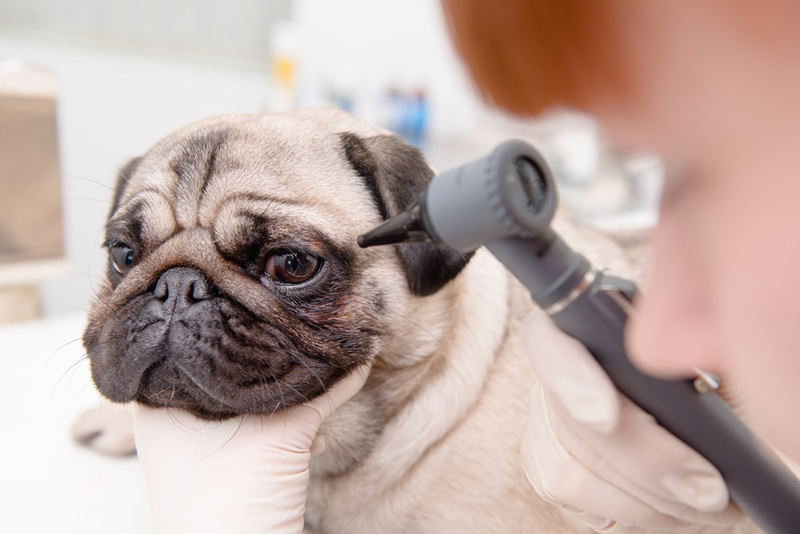
At Indy’s Place Pet Hospital, internal medicine focuses on the investigation, diagnosis, and treatment of illnesses and diseases affecting your pet. When a dog or cat is not feeling well, determining the underlying cause can sometimes be straightforward, while other conditions require a more detailed diagnostic process.
Our approach begins by gathering as much information as possible about your pet’s symptoms, medical history, physical condition, and any changes you have noticed at home. From there, we can recommend appropriate diagnostic testing and develop a treatment plan based on the information available.
Internal medicine can involve many different areas of the body, and some illnesses may affect more than one system at the same time. Our goal is to carefully evaluate the complete picture so we can better understand what may be causing your pet’s symptoms and determine the most appropriate next steps.
Conditions We Evaluate & Treat
Veterinary internal medicine encompasses a wide variety of illnesses and medical conditions. Some of the areas commonly evaluated in general veterinary practice include:
- Dermatologic and skin conditions
- Gastrointestinal and digestive disorders
- Musculoskeletal conditions
- Cardiovascular conditions
- Respiratory illnesses
- Ophthalmic and eye conditions
- Neurologic disorders
- Metabolic conditions
- Endocrine and hormonal disorders
- Oncologic conditions
- Kidney and urinary tract conditions
- Liver and other organ-related diseases
Because many diseases can produce similar symptoms, determining what is affecting your pet often requires us to look at several pieces of information together rather than relying on a single symptom or test result.
Physical Examination
A thorough physical examination is an important first step in investigating illness. During the examination, our veterinarian evaluates your pet from head to tail and looks for physical abnormalities that may help explain the symptoms you are seeing.
We will also discuss your pet’s medical history and any changes you have observed, such as changes in appetite, thirst, weight, energy level, breathing, mobility, digestion, urination, behavior, or other daily habits.
A physical exam provides valuable information, but it represents only part of the diagnostic process. Depending on what we find, additional testing may be recommended to better understand what is occurring internally.
Diagnostic Testing
Diagnostic testing allows us to gather information that cannot be obtained through a physical examination alone. The specific tests recommended will depend on your pet’s symptoms, examination findings, age, medical history, and suspected condition.
Diagnostic evaluation may include:
- Blood testing
- Urinalysis
- Fecal and parasite testing
- Testing for infectious diseases
- Evaluation of physiologic and metabolic markers
- Cytology and other laboratory testing when appropriate
These tests can help us identify abnormalities, evaluate organ function, detect infection or inflammation, and narrow down the possible causes of your pet’s illness.
Diagnostic Imaging
In some cases, understanding what is happening inside your pet’s body requires diagnostic imaging. Imaging allows veterinarians to evaluate internal anatomy and look for abnormalities that may not be detectable during a physical examination.
Depending on your pet’s condition and the diagnostic resources appropriate for the case, imaging may be recommended as part of the investigation.
The information obtained through imaging can be considered alongside examination findings and laboratory results to provide a more complete understanding of your pet’s condition.
Understanding the Diagnostic Process
One of the most important parts of internal medicine is developing what veterinarians call a differential diagnosis. This is a list of diseases or conditions that could reasonably explain the abnormalities and symptoms we are seeing.
Some diseases affect multiple body systems. An original illness can also create secondary problems that eventually become significant medical concerns themselves. For this reason, the diagnostic process often involves separating primary disease processes from secondary effects.
As we gather additional information through examinations, laboratory testing, imaging, and your pet’s response to treatment, we can narrow and refine the list of possible causes.
In some situations, a test may provide a definitive diagnosis. In others, several findings must be evaluated together to determine the most likely explanation for your pet’s condition.
Developing a Treatment Plan
Once we have gathered enough information to establish a reasonable diagnosis or working list of probable causes, we can begin developing an appropriate treatment plan.
Treatment varies considerably depending on the condition and may include medications, dietary changes, supportive care, monitoring, follow-up testing, or other medical therapies.
We will explain the reasoning behind our recommendations and discuss the available options with you. As treatment progresses, your pet’s response may also provide valuable information and help us determine whether the treatment plan should be continued or adjusted.
When Referral to a Specialist Is Recommended
As a general veterinary practice, we are able to investigate and manage many common medical conditions. However, there are situations in which a pet may benefit from the additional equipment, procedures, or specialized expertise available through a veterinary specialist.
If a condition is particularly complicated, does not respond as expected to treatment, or requires resources beyond those available at our hospital, we will discuss referral with you and encourage specialist care when we believe it may improve the likelihood of a successful outcome.
Our priority is always helping your pet receive the level of care appropriate for their condition.
Helping You Understand Your Pet’s Care
We understand that having a sick pet can be stressful, particularly when the cause of an illness is not immediately apparent.
Veterinary medicine does not always provide an instant answer. A physical examination offers only a limited amount of information, and diagnostic tests sometimes narrow the possibilities rather than identifying one definitive cause. Understanding this process can make it easier to navigate decisions about testing and treatment.
We will do our best to explain what we are seeing, why we are recommending a particular test or treatment, and what we hope to learn from it. We encourage questions and want you to feel comfortable and informed when making decisions about your pet’s care.
Schedule an Internal Medicine Appointment
If your pet is experiencing changes in appetite, energy, weight, digestion, breathing, mobility, behavior, or other signs that concern you, an examination can help determine what may be happening and what steps should be taken next.
Contact Indy’s Place Pet Hospital today to schedule an appointment. Our team will work with you to investigate your pet’s condition, explain our recommendations, and provide compassionate medical care throughout the process. Call us today at (650) 437-2339.